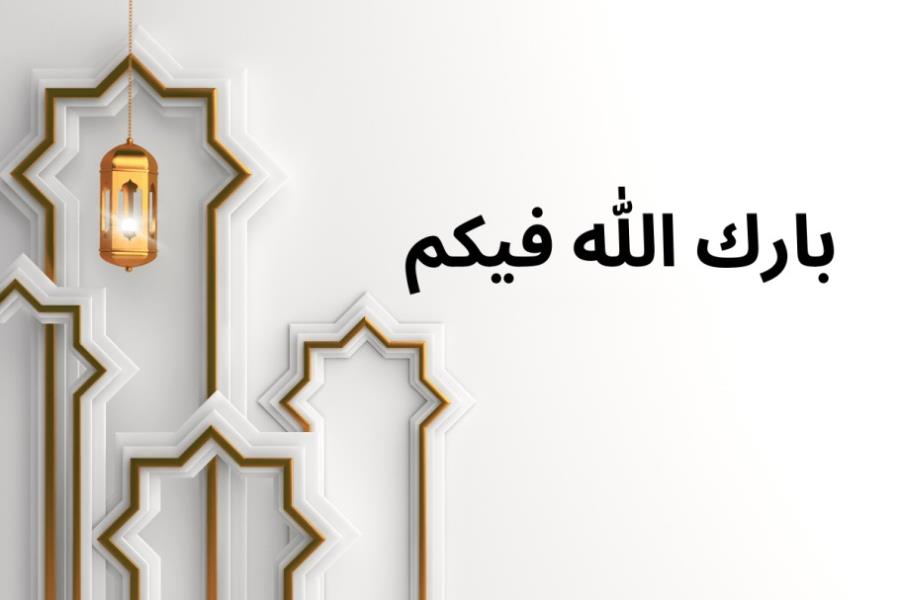
What Does “Barakallahu Fihi” Mean?
If you have heard the phrase barakallahu fihi, perhaps you are wondering what this means. It is an Arabic term that Muslims commonly use. The expression translates to “May God bless him”. It’s an easy, respectful way to confer blessings on someone.
This is one of a larger collection of Islamic sayings. These idioms are shared during conversations, through text exchanges or when people poke at each other in real life- which of course includes social media. You may hear “barakallahu fihi” often when someone wants to thank or pray for someone else.
Where Does “Barakallahu Fihi” Come From?
“Barakallahu fihi” comes from Arabic. The root word is “baraka” which is a blessing. “Allahu” is a reference to Allah, an Arabic term for God. And “fihi” signifies “in him” or “in it,” as the clause may require. When you put them together, you are asking God to place blessings in him \[meaning the person of whom you’re speaking.
It’s a term born of kindness and good will. It’s short but profound in meaning. And it’s not just religious — it also creates bonds among people.
When to Use “Barakallahu Fihi”
Muslims use this phrase in many situations. It can be used in:
- Everyday conversation
- Messages and emails
- Social media comments
- Religious settings like lectures or sermons
Here are a few common examples:
- Someone helps you out
“Thank you for your help. Barakallahu fihi.” - You hear someone did something good
“He donated to charity. Barakallahu fihi.” - You’re praising someone for knowledge
“Your advice helped a lot. Barakallahu fihi.”
In all these situations, it’s a way of showing that you’re grateful and also praying for that person to be blessed.
Common Related Phrases
“Barakallahu fihi” isn’t the only blessing phrase used in Islamic culture. Here are a few others that are used in similar ways:
- Barakallahu feek (بارك الله فيك) – May Allah bless you (masculine)
- Barakallahu feeki (بارك الله فيكِ) – May Allah bless you (feminine)
- Barakallahu feekum (بارك الله فيكم) – May Allah bless you all (plural)
- Jazakallahu khayran – May Allah reward you with goodness
- Mashallah – What Allah has willed
- Alhamdulillah – All praise is due to Allah
Each of these phrases has a unique meaning, but they’re all rooted in gratitude, faith, and connection.
Why Say It?
There are numerous reasons why people say “barakallahu fihi”. Sometimes it’s to:
- Show respect
- Offer prayers
- Express gratitude
- The brotherhood or sisterhood in Islam increases.
Despite being religious, it’s not reserved for formal ceremonies. It’s meant for everyday use. Used earnestly, it can forge connections and warm up a conversation.
How Do You Reply to “Barakallahu Fihi”?
One does not have to reply when someone has uttered “barakallahu fihi,” but many do so. Some common replies include:
- Wa fikum barakallah – And may Allah bless you as well
- Ameen – May it be so
- “Jazakallahu khayran” works great too.
These answers maintain the tone of courtesy and kindness. It also demonstrates that you appreciate the blessing received.
Barakallahu Fihi in Daily Life
In a world where quick messages are the norm, using “barakallahu fihi” helps maintain depth. It’s easy to type or say, yet it leaves a strong impact. Many people now add it to:
- Instagram comments
- WhatsApp replies
- YouTube video responses
- Facebook posts
It’s not just about faith. It’s about keeping the habit of wishing well for others. And doing it in a way that brings value to everyday talk.
The Beauty of Words in Islam
Words matter a great deal in Islam. What we say matters. Nice things, saying them is not only polite; it’s the thing. That’s why phrases of good wishes (to the hostess, in this case) like “barakallahu fihi” are so common.
It is expected that words are used to construct faith, show affection and cement relations. In Islam, the tongue is significant, and whatever we say means a lot. So saying something good, even as brief as “barakallahu fihi” — can be significant.
Final Thoughts
“Barakallahu fihi” may be small, but there’s a huge message attached to it. It’s love, respect and a prayer all in one. And in a world that moves this fast, using phrases like this forces us to slow down and say something that means something. Whether you say this in real life or type it online, it’s a small way to contribute.
Continue with words that elevate you and others around you. That’s the ethos of this quote — and one that is always in fashion.
FAQs
What does “barakallahu fihi” mean?
It translates to, “May Allah be pleased with him.” It’s for praying for someone and paying respect.
Can women say “barakallahu fihi”?
It could be, and you are correct for a female that would be “barakallahu fiha”. For males, it’s “barakallahu fihi.”
Difference between “barakallahu feek” and “barakallahu fihi”?
“Feek” means “in you.” “Fihi” means “in him.” So it varies who you’re talking about.
Do you know is “barakallahu fihi” mentioned in Quran?
The term based on root word “baraka”, is mentioned in Quran, but the exact phrase “barakallahu fihi” more often used among Muslims as it’s part of everyday speech and Islamic etiquette.
how to pronounce “barakallahu fihi”?
It’s pronounced: Ba-ra-ka-lla-hu fee-hi.