The term Arabic Ramadan Mubarak is one of the most loved greetings used by Muslims during the holy month of Ramadan. It bears great spiritual and cultural significance and is indicative of blessings, peace, and joy. “It’s essentially wishing you a blessed Ramadan,” said Khan. “Many people translated it to have a prosperous month. Whether said in everyday conversations, sent along with Ramadan Mubarak images Arabic or put on social media, this wish has served as a harbinger of hope and solidarity.
What Is the Meaning of Arabic Ramadan Mubarak?
Ramadan and Mubarak both are Arabic words. The ninth month of the Islamic lunar calendar, during which Muslims perform a fast from dawn to sunset, is called Ramadan. Mubarak translates to “blessed.” Combined, Arabic Ramadan Mubarak translates to “Blessed Ramadan,” acknowledging the holiness of this fasting month with good wishes.
This saying is not restricted to Arab nations; it is the way that Muslims from all over the world express their feelings for Ramadan in the form of greetings. Ramadan enters many homes with enthusiastic exchanges of the special greeting, which also adds to the festive mood prevalent during this month – from family gatherings and neighbourly get-togethers as well as among friends.
The Spiritual Nature of Arabic Ramadan Mubarak
When somebody wishes someone a Arabic Ramadan Mubarak, that is important because it’s telling people about what the value of this month should be:
- Fasting (Sawm): Showing self-control and being disciplined.
- Prayer (Salat): Intensifying the connection with Allah via performing the daily compulsory prayers, along with establishing and attending night (Taraweeh) prayers.
- Charity (Zakat and Sadaqah): Giving money, food, clothes to the poor and needy.
- Meditation (Tafakkur): Maturing patience, humility and thankfulness.
The response to the greeting serves as a way to remind people of the blessings each time they hear it and blesses them with these values that Ramadan stands for.
Read : Response to Fi Amanillah: Top Ways to Answer
Arabic Ramadan Mubarak in Social and Cultural Contexts
The expression is allusive in Arab culture. The phrase Arabic Ramadan Mubarak is heard in mosques and homes, at shops and on billboards across the country during Ramadan. It is used in:
- Hospitality: When families welcome guests for iftar (the meal eaten in the evening to break the fast), they might extend wishes by saying Ramadan Mubarak.
- Media: Television shows and commercials flash images wishing viewers Ramadan Mubarak in Arabic to evoke the spirit of the month.
- Community Celebrations: People wish each other Ramadan Mubarak during prayers, community gatherings and charity work.
These practices reflect the spiritual and cultural nature of the greeting in strengthening the ties among Muslims.
Ramadan Mubarak Images in Arabic
In this modern age, it is through digital communication that you can find the most trending Ramadan Mubarak images in Arabic. Arabic calligraphy that spells out Ramadan Mubarak appears on greeting cards, WhatsApp forwards and Instagram posts alongside lanterns, crescent moons and stars. During the holy month, these images are widely shared to bring joy and blessings.
Whether transmitted to out-of-town relatives or put on social media, such images visually epitomize Ramadan and are a literal extension of the greeting in question.
Greeting Card with Hand-drawn or Illustrated The Words: Ramadan Mubarak in Arabic Style Lettering and (Little Arabian Traditional Whirling Dervish) Photos & Illustrations.
Arabic calligraphy is an appreciated form of art, and during Ramadan artists often create works with Arabic Ramadan Mubarak in beautiful scripts. These calligraphic artworks appear on:
- Decoration on walls of houses and mosques.
- Placards and banners in Arab bazaars.
- Phone/Desktop wallpapers and social media banners.
- Gift presents souvenir with Ramadan Mubarak theme in Arabica style prints.
The phrase’s natural power in Arabic script gives it a spiritual richness that brings more than a little visual elegance to the proceedings; hence, it being all-but-inescapable during the holy month.
Ramadan Mubarak in Arabic: A Message of Unity
As we know that the Month of Ramadan is very near and therefore people would be writing Ramadan Kareem or Ramadan Mubarak, so we are sharing with you a few benefits and blessings of Ramadan month.
The beauty of Arabic Ramadan Mubarak is the way it unifies Muslims across the globe. Some early hands had used the phrase and some members still did, even if they were not native Arabic speakers, in recognition of the month’s Arabic origins. In multilingual settings, greetings tend to get combined: “Ramadan Mubarak” followed or preceded by a local-language blessing, for example.
This mix demonstrates how the Arabic salutations travel across borders and find themselves a universal language of faith and community.
Arabic Arabic Ramadan Mubarak: A Double Emphasis in Tradition
In some circles, you might hear folks saying the phrase twice Arabic Arabic Ramadan Mubarak to drive home that it’s being said in authentic vocabulary from our native language. This doubled utterance is common practice in literature and calligraphy or when teaching to non-Arabic speakers as the action of repeating oneself is characteristic of an attempt to make much of saying something once. It highlights the role of indigenous language for cultural and spiritual values.
Arabica Ramadan Mubarak: A Contemporary Take
Interestingly, the expression has been used even in branding and product packaging. Some coffee shops and online retailers have created themes of Ramadan Mubarak Arabica, combining the greeting with a type of coffee called Arabica or other cultural trappings. This contemporary rendition is a reminder of how the blessing has penetrated so thoroughly into spiritual and domestic life.
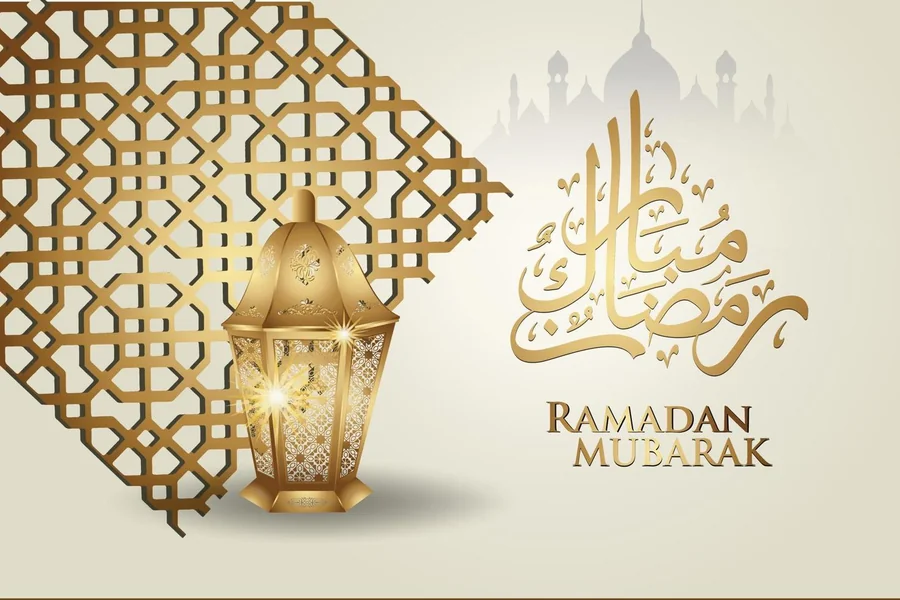
How to Write Ramadan Mubarak in Arabic
Many are curious about: how to greet Ramadan Mubarak in Arabic? The phrase is written as:
رمضان مبارك
This beautiful script is commonly found on Ramadan Mubarak Arabic images, greeting cards and decorations. Being able to write it allows Muslims and non-Muslims alike to give the greeting with due respect and authenticity.
Read Also : Response to Ramadan Mubarak: 10 Heartfelt Replies
How to Say Ramadan Mubarak in Arabic
If you’re not sure how to say Ramadan Mubarak in Arabic, here’s:
Ramadan Mubarak (رمضان مبارك)
You can say it when you see someone in real life, on the telephone, and even to messages. Some also add Ramadan Kareem (رمضان كريم), or “Generous Ramadan.” Both are perfectly acceptable, though Ramadan Mubarak focuses more on blessings.
Learning how to say Ramadan Mubarak in Arabic is helpful for those learning the language. It is pronounced:
“Ramadan Moo-bar-ak.”
Author’s note: The “tone” is informing you that what follows should be spoken with some feeling and not like you’re simply reading a block of italics.
How to Respond Ramadan Mubarak in Arabic
So how to respond Ramadan Mubarak? If you are responded as Ramadan Kareem, or greeted with Ramadan Mubarak, then surely at some time the question plunges in your mind that what should be the reply of it and so here on this page we will hook up with this topic which is how to reply Ramadan Mubarak in Arabic.
The “quick fox” answer is just to greet them:
Ramadan Mubarak (رمضان مبارك)
Other common replies include:
- Allah is the bestower of bounties.
- Shukran, Ramadan Kareem (شكراً، رمضان كريم) — “Thank you, Generous Ramadan.”
Examples of Responses:
- “And you blessed too” (Wa anta/anti mubarak).
- “Ramadan Kareem (رمضان كريم).”
- “Jazak Allahu khair (جزاك الله خيراً),” meaning “May Allah reward you with goodness.”
These exchanges add meaning and upliftment to each other.
Conclusion
The term Arabic Ramadan Mubarak is so much more than just a seasonal greeting. It’s a cultural, spiritual and uniting act that represents the blessings of the holy month. Whether exchanged verbally, written out in Arabic script — and even now sent as Ramadan Mubarak images in Arabic on social media — the greeting still unites Muslims around the world.
From learning how to write Ramadan Mubarak in Arabic, to being able to wish, say and respond to Ramadan Mubarak in Arabic, these greetings really enhance the month of Ramadan. They inspire wonder, joy, and thanks; create community; and call us back to the deeper gifts of these holy days.
FAQs on Arabic Ramadan Mubarak
-
What is the meaning of Ramadan Mubarak in Arabic?
It is “Blessed Ramadan,” and people use it to wish people blessings for the holy month.
-
What is the difference between Ramadan Mubarak and Ramadan Kareem?
Yes. “Ramadan Mubarak” translates to Blessed Ramadan, and “Ramadan Kareem” means Generous Ramadan.
-
How to write Ramadan Mubarak in Arabic?
It is written as رمضان مبارك.
-
How to wish Ramadan Mubarak in Arabic?
It is pronounced “Ramadan Moo-bar-ak.”
-
How date is Ramadan 2026?
Ramadan 2026 is expected to begin on the evening of Tuesday, 17 February 2026, and end on the evening of Wednesday, 18 March 2026, subject to moon sighting.
-
What are the two dates for Eid in 2026?
Eid al-Fitr 2026: Thursday, 19 March 2026.
Eid al-Adha 2026: Friday, 26 June 2026.
-
Will there be two Ramadans in 2026?
Yes, Ramadan will occur twice in 2026—first in February–March, and again in late December 2026, continuing into January 2027.
-
What time is Ramadan in 2026?
Muslims fast daily from dawn (Fajr) until sunset (Maghrib). In places like Makkah, fasting will last about 12–13 hours daily in February–March 2026.