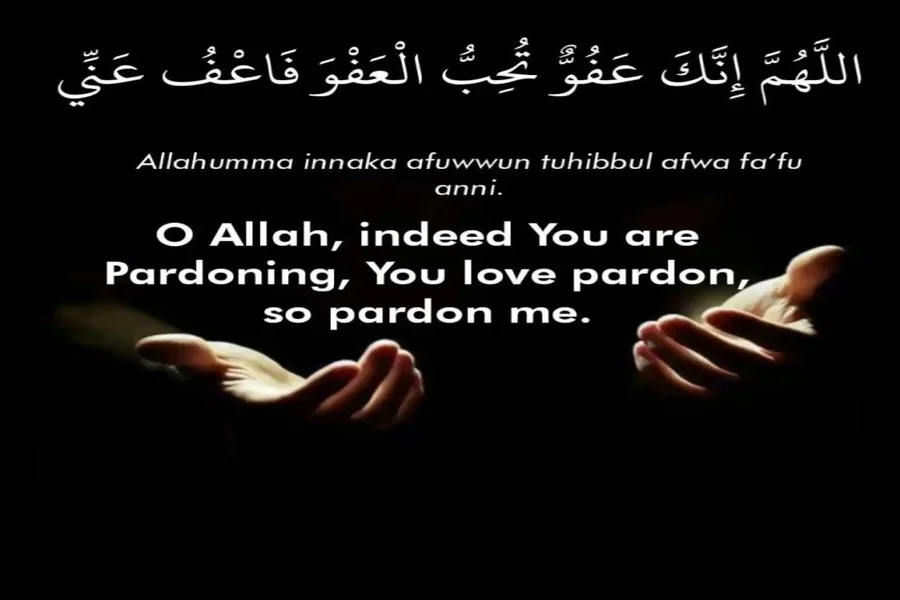
Allahumma Innaka Afuwwun is one of the most favorite duas in Ramadan. It is brief, and easy to remember, but it packs a world of significance. The dua is:
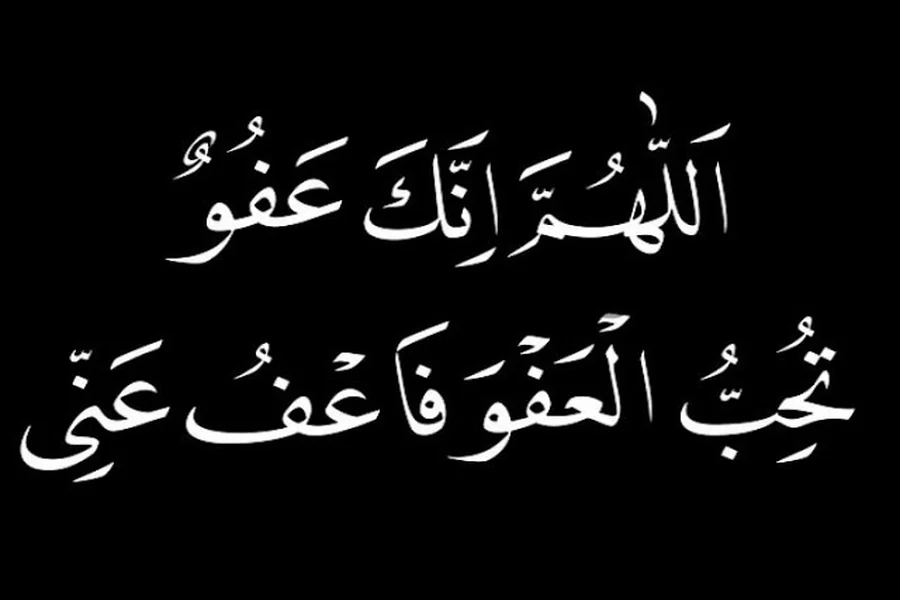
اللَّهُمَّ إِنَّكَ عَفُوٌّ تُحِبُّ الْعَفْوَ فَاعْفُ عَنِّي
“Allahumma innaka Afuwwun tuhibbul afwa fa’fu anni.”
Translation: O Allah, You are Most Forgiving, and You love forgiveness; so forgive me.
This dua is commonly recited in the final ten days of Ramadan. This dua is especially read on the night of Laylat al-Qadr. Aa’ishah (may Allaah be pleased with her) asked the Prophet (peace and blessings of Allaah be upon him), what she should say if she realised that Laylat al-Qadr was happening.
Now let’s examine what makes this dua so special.
Simple Words, Big Meaning
The strength of this dua lies in its simplicity. It demands something that everyone needs: forgiveness.
- What does “Allahumma” mean?
It means “O Allah”. This is how many duas start. It’s a call, as in saying “Dear God” when you start off on a bone-deep request.
- What does “Innaka Afuwwun” mean?
It constitutes “verily You are If Your Forgiver”.secabsolutely. The word Afuww is not like Ghafoor (The Great Forgiver) and Rahim (The Merciful). Afuww is derived from a root meaning to obliterate something entirely.
Imagine writing something on a whiteboard, wiping it off and all evidence of what you wrote would be gone. That is Afuww–not only are the sins forgiven, they are wiped off as if they had never been committed.
- What does “Tuhibbul Afwa” mean?
Here this portion says “You are a lover of Forgiveness”. It is a reminder of the fact that Allah does not forgive merely because we ask. He actually loves to forgive. It’s one of the things He loves to do for His servants.
- What does “Fa’fu Anni” mean?
It means “So forgive me”. It’s a personal request. You’re not imploring just for general mercy, but something personal: “Erase my sins, O Allah. Wipe them out completely.”
Why This Dua Is Special in Ramadan
Muslims seek forgiveness and mercy during Ramadan, especially in the last ten days. This is the dua that Rasullulah (sallallahu alaihi wasallam) taught for Laylatul Qadr.
This is the night better than a thousand months. That’s over 83 years! It’s a very small dua. To read this dua in that night can be better than forgiveness for all sins of life.
It’s easy to memorize, and you can say it over and over while praying or after tasbeeh; a time of stillness before you break your fast, for example.
How to Use This Dua in Your Daily Life
The Dua which is commonly recited by some believers in Ramadan, after the Taraweeh Prayer. It is utterable in any or all seasons. Here’s how to work it into your day:
- After each prayer: Recite it after you’re done with your five daily prayers. It only takes a few seconds.
- Before sleeping: As you think about how your day went, thank Allah for forgiving you.
- In helplessness: If you are feeling guilty or that you have sinned a lot than your capacity, then recite this dua and try to imagine the Mercy in the breaking of Allah’s heart.
Connecting With the Meaning
A lot of people make this dua without even knowing what they are saying. But when you know Allahumma Innaka Afuwwun meaning, it can be more powerful in your heart. Say it slowly. Think about each word. Imagine your sins being washed away. Prepare yourself, God wants to forgive you. This dua is not only words. It’s a real conversation with your Lord.
The Power of Asking for Forgiveness
Islam teaches us no matter how many sins you have. If you turn to Allah and ask for forgiveness, he can forgive you. There is no limit. This is why the Allahumma Innaka Afuwwun dua is such a gift. It’s short, sincere & it opens the door to mercy that never ends.
Bonus Keyword Section: “Ramadan forgiveness prayer”
Many people search for a “Ramadan forgiveness prayer.” This is the one. The Allahumma Innaka Afuwwun dua is the most beloved Ramadan forgiveness prayer. It’s simple enough for kids to learn and powerful enough to bring peace to the heart of any adult.
Final Thoughts
Allahumma innaka aafuwwun dua meaning is very short but this aayat is a bit deep and heavy. It is a great reminder that God doesn’t just forgive; he actually loves to forgive. Frequent reference of this dua ensures we are perpetually surrounded with lowliness and hope. Yet we can all repent to Allah since we are only human and make mistakes.
Turn this dua into your way of life, not just during Ramadan, but throughout the year. And may It be a bridge between you and your Lord. And if you think that all hope is lost, remember, Allah is prepared to wipe it all clean.
FAQs
So what does “Afuwwun” mean, again?
Afuwwun: (Means) the One Who completely erases sins. Not only masking them but wiping them away as if they had never even taken place.
Is this dua specific or only for Ramadan?
No. You can say it any time. But during Ramadan and in Laylatul Qadr in particular, it’s even more impactful.
Can I recite this dua in English?
Talk to Allah in any language can you. But do try and learn the Arabic version as well. It brings you to the prophet (peace be upon him)’s words.
What is the difference from “Astaghfirullah”?
They are both prayers for forgiveness, but Allahumma innaka Afuwwun is more specific. It begs of Allah your sins to remove for His love forgives.
What if I don’t mean it when I say it?
Keep saying it. Sometimes the heart comes after the tongue. Honesty develops over time and with reflection.